
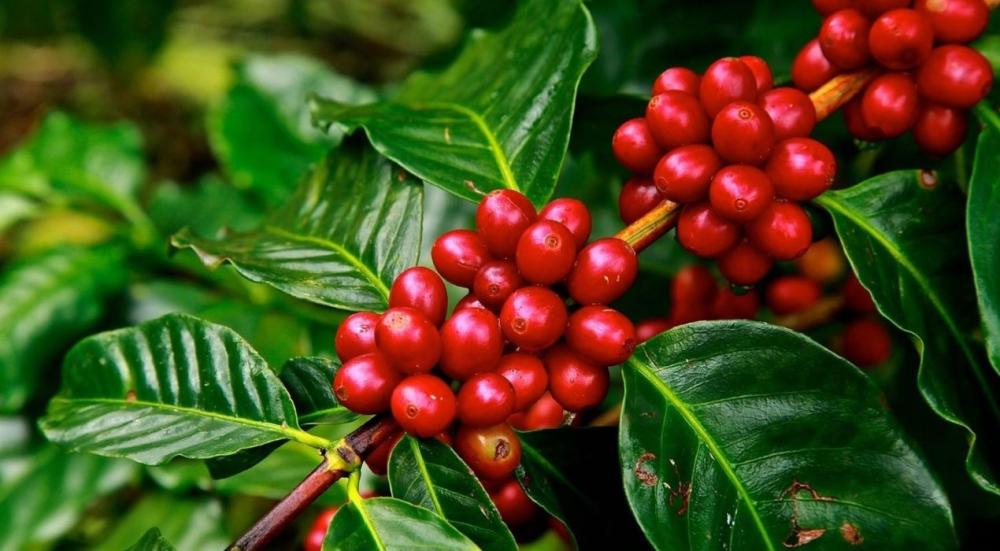
Coffee crops form the foundation of a unique experience for lovers of this global beverage. The beans are carefully cultivated in specific environments to ensure a rich flavor and high quality. Coffee varieties differ according to climate and processing methods, giving each bean a unique taste that distinguishes it from the others. Meticulous attention from cultivation to roasting guarantees a perfect cup of coffee every time.
Ibriq Coffee Shop is the ultimate destination in Saudi Arabia for specialty coffee lovers, offering the finest coffee beans and top-quality brewing equipment. Ibriq Coffee Shop's expertise and commitment to excellence make it a trusted resource for anyone seeking an exceptional coffee experience.
The most famous types of coffee crops around the world
Ethiopian coffee
Ethiopia is considered the birthplace of coffee and one of the world's leading producers of specialty coffee. Its mountainous terrain and diverse soils provide an ideal climate for producing flavorful crops. Ethiopian coffee is known for its varied tastes, ranging from fruity and floral to naturally sweet, making it one of the most sought-after varieties in the world. Among its most famous regions are Harar, with its complex flavors; Sidamo, which offers a blend of acidity and fruit; and Ugachiev, with its unique balance of sweetness and acidity.
Colombian coffee
Colombia boasts a long history of coffee cultivation dating back to the 18th century, making it one of the world's leading producers of specialty coffee. Colombian coffee is known for its perfect balance of smooth acidity and notes of chocolate and caramel. Arabica and Brusta are among the most important varieties, highly regarded worldwide thanks to the fertile volcanic and mountainous soils that nurture them.
Brazilian coffee
Brazil is the world's largest coffee producer, renowned for its well-balanced crops that cater to diverse tastes. Among its most prominent varieties are "Mogiana," known for its deep flavor and balanced body; "Novo," distinguished by its creamy texture and taste that blends chocolate and nuts; and "Bobon," celebrated for its sweetness and balanced aroma, making it a global favorite.
Indonesian coffee
Indonesia is the world's fourth-largest coffee exporter, renowned for its high-quality Arabica and Robusta beans. Indonesian coffee is characterized by its rich body and deep aroma, derived from its tropical soil. Among the most popular varieties are Java, known for its strong chocolate notes; Sumatra, with its earthy character and low acidity; and Toraja, which blends aromas of cardamom and cinnamon.
Yemeni coffee
Yemeni coffee is one of the oldest and finest coffee crops in the Middle East, and is known by its historical name, "Mocha." It is cultivated on high mountains using traditional methods that require meticulous care, resulting in a pure and rich flavor that blends chocolate, dried fruits, and spices. Among its most prominent varieties are Khawlani, Harazi, and Mocha, each possessing a unique character derived from the nature of the Yemeni land.
Coffee bean planting season
Coffee beans can be grown at various times throughout the year, offering great flexibility for both farmers and hobbyists. They can also be grown indoors as decorative plants, adding an elegant touch of greenery and providing a unique gardening experience for coffee lovers.
Get the best coffee from the coffee shop.
Roasting House Crops Package
Enjoy a unique experience with the Roasting House Crops Package, a blend of three carefully selected crops from Guatemala, Indonesia, and Colombia. The harmonious blend of fruity, chocolatey, and floral notes makes this a specialty coffee crop package that will satisfy even the most discerning coffee lovers.
This exceptional blend box is suitable for all brewing methods, whether filter or espresso, giving you a balanced and creative cup. It's also an ideal choice for experiencing global variety or as a stylish gift for coffee lovers.
Package 2 Ethiopian Crops + Box of Envelopes
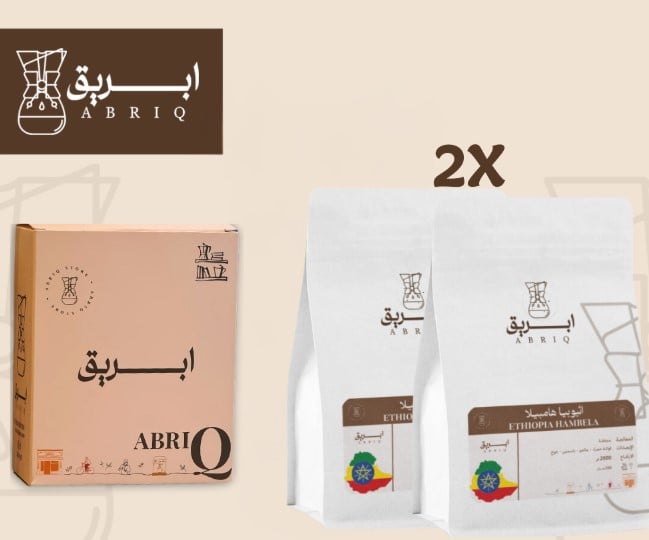
Treat yourself to an exceptional experience with the 2-pack Ethiopian Crops + Box Envelopes, sourced from the Hembela region, renowned for its natural diversity and ideal shade for coffee cultivation. This pack features Heerlum beans, boasting unique flavors that blend red fruits, mango, jasmine, and peach in an elegant combination.
Thanks to its natural "dry" processing, the beans retain their depth and purity, resulting in a rich and balanced coffee to suit a variety of tastes. Whether for individual enjoyment or for those who prefer to purchase coffee in bulk, this package represents a sophisticated choice that combines the quality and authentic character of Ethiopian coffee.
Black Knight Crops Pack
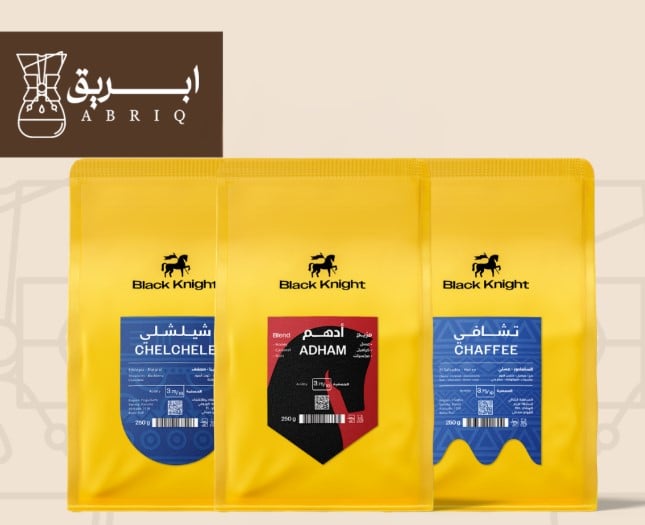
Discover the exquisite taste of the Black Knight Harvest Collection, a selection of the finest, carefully chosen coffees from around the world. The harmonious blend of strawberry, raspberry, cocoa, and honey, with hints of caramel and nuts, creates a rich and rewarding experience for discerning coffee lovers in Riyadh.
With this exceptional blend box, you'll get the perfect variety to suit all brewing methods, from filter to espresso and even cold brew. It's the ideal choice for embarking on a new tasting journey or for giving an elegant gift that reflects your passion for the world of specialty coffee.
The basic stages in processing specialty coffee
- Agriculture: The journey begins in the highlands with mineral-rich soil, where the tropical climate provides the ideal warmth and humidity for coffee trees to grow and produce uniquely high-quality beans.
- Harvesting: Harvesting is carried out in carefully defined seasons, and often relies on manual methods to ensure that only healthy grains are selected without compromising their quality.
- Drying: A crucial stage in which the moisture content within the grains is reduced. Methods vary, including natural treatment using sunlight, washed treatment which involves washing and removing the husks, and passive treatment which retains the outer husks during drying.
- Sorting: After drying, the grains are carefully sorted to separate the healthy ones from the damaged ones, to ensure that only the best remain in the next processing stages.
- Roasting: Roasting is done at moderate temperatures to maintain flavor balance and prevent the loss of the beans' characteristics. This stage may take longer, but it gives the coffee its unique taste.
- Grinding: Grinding levels vary to suit different preparation methods, whether espresso, mocha, or cappuccino, making each grind level a direct reflection of the quality of the final taste.
- Storage: The grains are stored in airtight, moisture-resistant containers and kept in dry, cool places to ensure that the flavor remains fresh and vibrant until the moment of preparation.
- Preparation: The final and most enjoyable stage, where preparation methods vary according to the type of coffee chosen, and each method requires precise tools and specific steps to reach the ideal cup that combines quality and refined taste.
How to choose the right coffee crops for your taste
Identifying the preferred type of grain
If you prefer smooth, tangy flavors with hints of fruit or floral notes, Arabica beans are the perfect choice, as they are grown at high altitudes and are known for their complex flavors and low bitterness. However, if you're looking for a more intense, robust taste with a higher caffeine content and a nutty or earthy note, Robusta beans are the ideal option.
Choosing the coffee-producing region
Each agricultural region has its own distinctive character that is reflected in the final taste. Ethiopian coffee is characterized by high acidity and floral aromas with vibrant fruity notes, while Guatemalan coffee is known for its perfect balance between acidity and chocolate and nutty notes, making it a distinctive choice for lovers of rich and balanced taste.
Environmental factors and their impact on the quality of specialty coffee crops
Geographic location
Location plays a crucial role; tropical regions in South and Central America, along with some countries in Asia and Africa, are the most suitable. Furthermore, mountainous areas ranging from 200 to 600 meters above sea level impart complex and rich flavors to the beans, making them an ideal choice for discerning coffee lovers.
climate
The ideal climate is the secret to specialty coffee's excellence. Coffee trees need ample rainfall to keep their leaves moist and ensure healthy growth. Moderate temperatures are also optimal, making naturally or artificially shaded areas ideal. Any deviation from these parameters can directly affect the quality of the beans.
agricultural practices
The quality of the harvest is incomplete without meticulous agricultural practices, from organic fertilization that maintains soil purity to hand-harvesting that ensures the selection of the finest beans. Any deviation from these traditional methods negatively impacts the taste and final quality of the coffee.
Economic factors affecting coffee pricing
- Climate change and natural disasters: Climate plays a crucial role in the quality and quantity of crops, as droughts, floods, or pest outbreaks can cause a decrease in production and consequently higher prices globally.
- Supply and demand are the primary drivers of coffee price fluctuations, as any imbalance between production and consumption leads to an immediate rise or fall in prices.
In conclusion, coffee is more than just beans; it's a sensory experience embodied in every sip, reflecting the quality of the cultivation and the care of the farmer. At Ibriq, you're guaranteed access to the finest specialty coffees and exceptional brewing equipment. With Ibriq, every coffee moment becomes a unique experience, combining quality, excellence, and professionalism.
